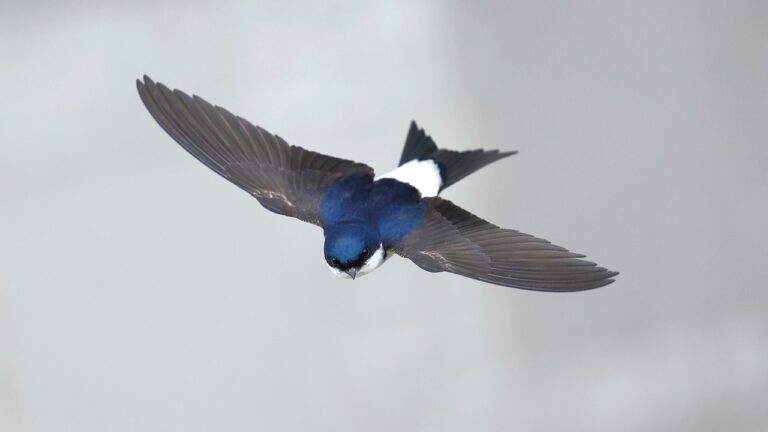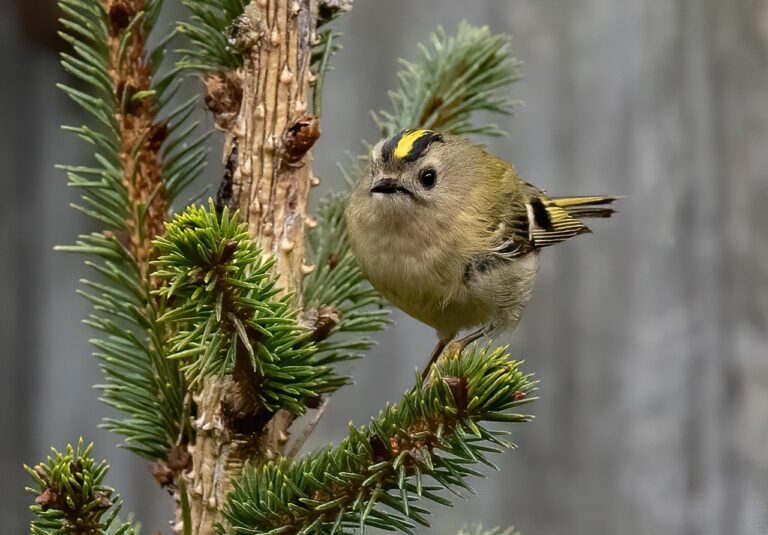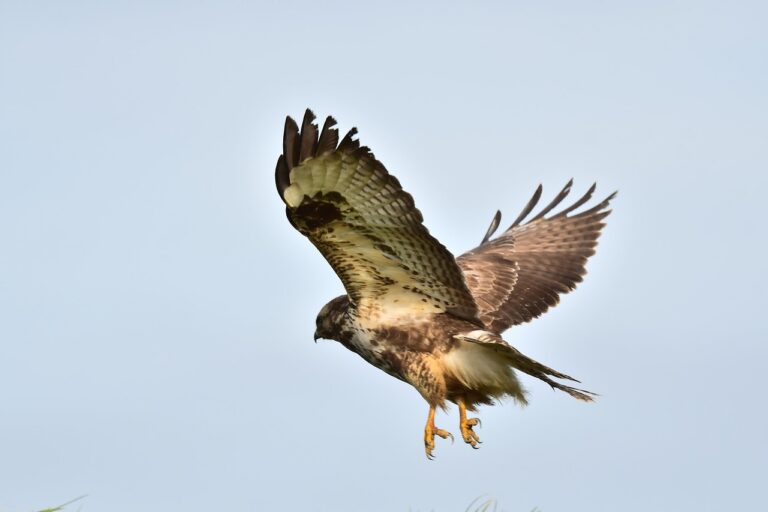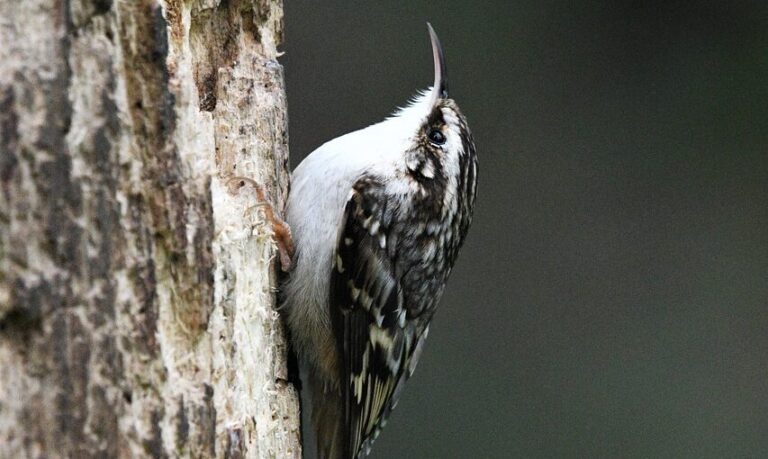
Two More Mornings Without House Martins—28–29 September 2026
After the house martins were missing from both recordings on Sunday, I listened again on Monday and Tuesday.
On 28 September, Merlin suggested twenty-three species:
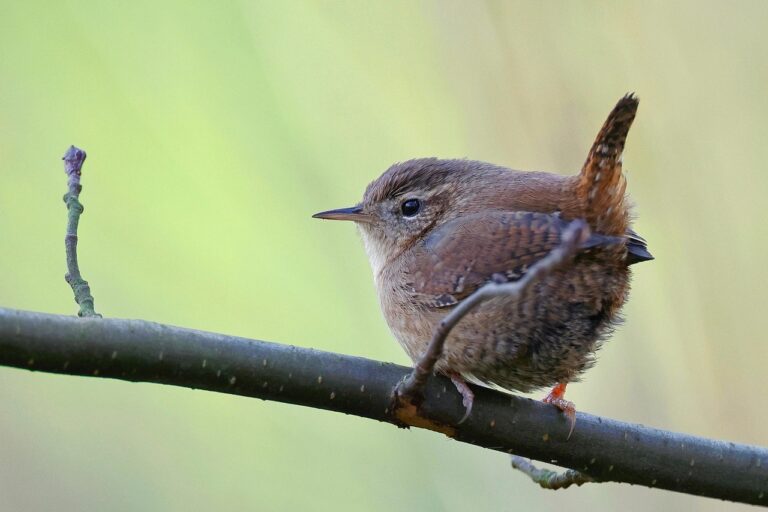
Robin, chiffchaff, blackbird, blue tit, redpoll, carrion crow, wren, dunnock, house sparrow, coal tit, chaffinch, great tit, siskin, meadow pipit, treecreeper, song thrush, hooded crow, white wagtail, willow warbler, jay, jackdaw, grey wagtail and goldcrest.
About half an hour later, a flock of pink-footed geese passed over, bringing the morning’s total to twenty-four species.
The recording on 29 September produced a shorter list of seventeen:
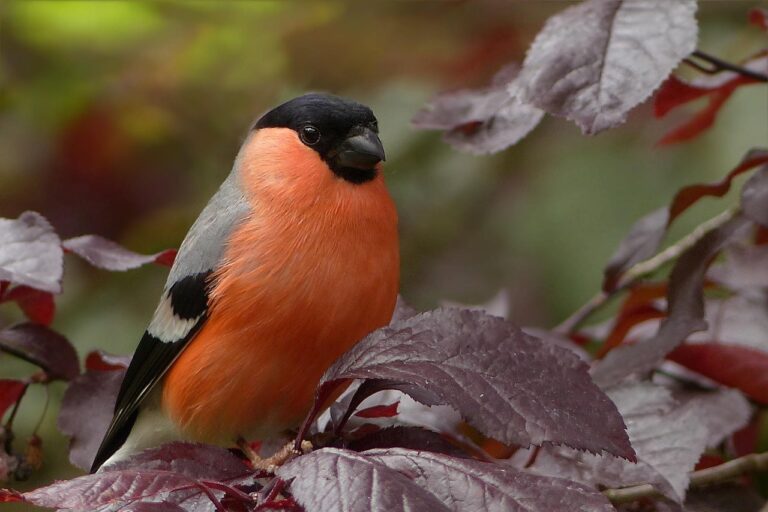
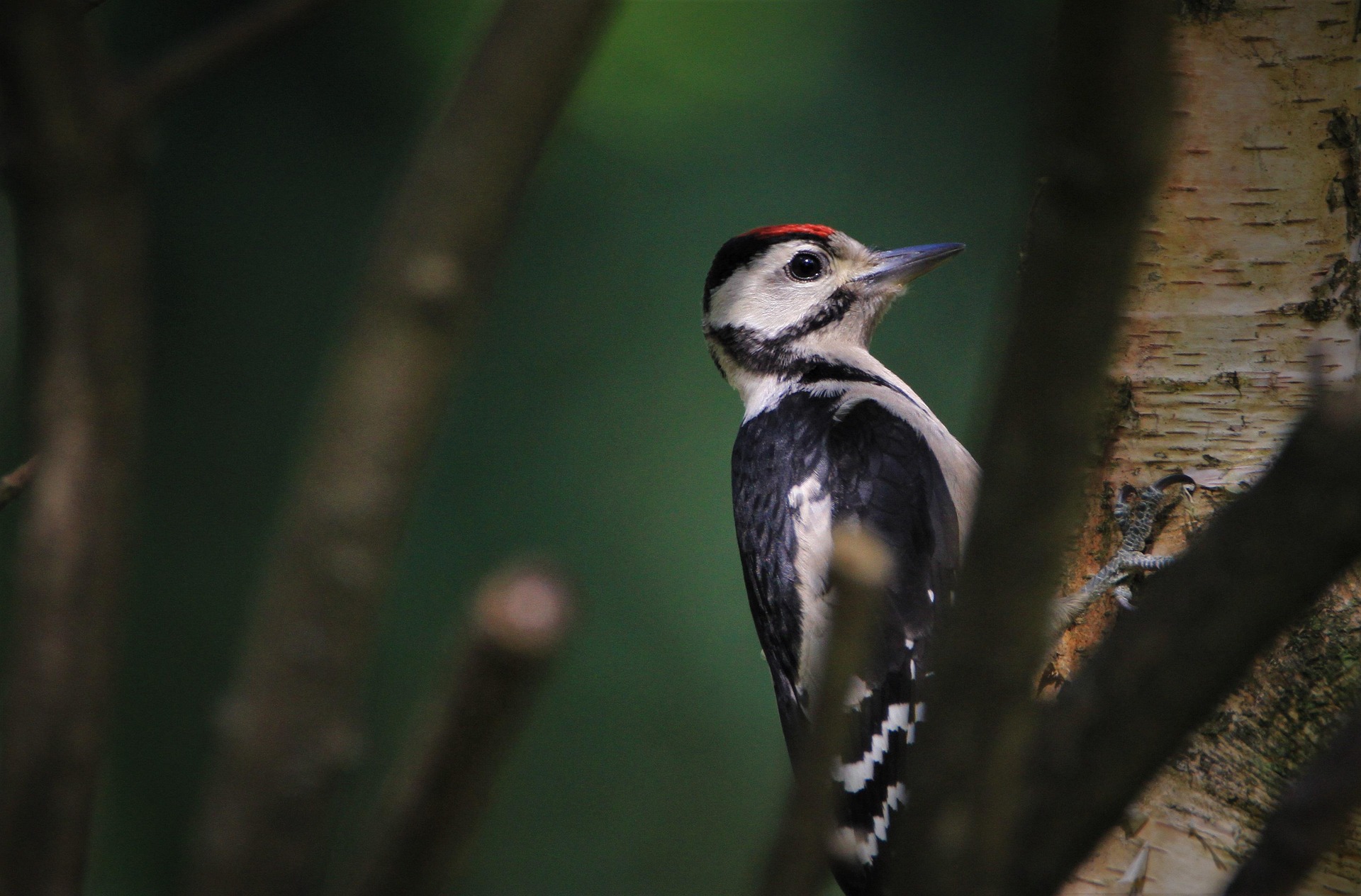
Robin, long-tailed tit, blue tit, wren, chaffinch, great tit, meadow pipit, house sparrow, goldfinch, coal tit, treecreeper, blackbird, siskin, great spotted woodpecker, song thrush, jay and bullfinch.
There were no house martins on either morning. The last time Merlin detected them was 26 September, so it is beginning to look as though they really have left for the winter.
I didn’t record on 30 September or 1 October. Instead, I’m going to pause and look properly at all the recordings so far: which birds have appeared most often, which have come and gone, and what—if anything—the lists tell us about the different habitats around the holding.
Birds are identified mainly by sound using the Merlin Bird ID app. The list is a record of what the app detected rather than a confirmed survey, so occasional misidentifications are possible—especially with unexpected or particularly exotic visitors.